


Email us at hello@kindleandcrayon.com
December 19, 2025
From Kawaii to Botanicals: The Psychology Behind Art Styles for Mental Wellness
I used to think all art was just... art. Pretty pictures that looked nice on walls or filled time when I was bored. But during one of my lowest mental health periods: when anxiety felt like a constant companion and focus seemed impossible: I discovered something that completely shifted my perspective.
It wasn't the act of coloring that surprised me. It was what I chose to color that made all the difference.
Welcome to a journey through the fascinating psychology behind why certain art styles literally rewire our brains for wellness ✨ I'm so glad you're here.
The Science of Visual Comfort: Why Our Brains Crave Certain Aesthetics
Here's something most people don't realize: your brain doesn't just see art: it responds to it on a neurochemical level. When you look at a kawaii character with those oversized eyes and soft curves, your brain releases oxytocin, the same hormone linked to bonding and stress relief. When you focus on intricate botanical details, your nervous system shifts into a parasympathetic state, literally the opposite of fight-or-flight.
This isn't just feel-good theory. Research shows that exposure to cute imagery improves behavioral performance on tasks requiring focused attention. Participants who viewed kawaii images before completing detailed work performed more carefully and accurately, with improvement directly correlating to how cute they rated the images.
But here's where it gets really interesting: different art styles activate different psychological pathways, making them uniquely suited for different brains, ages, and mental health needs.
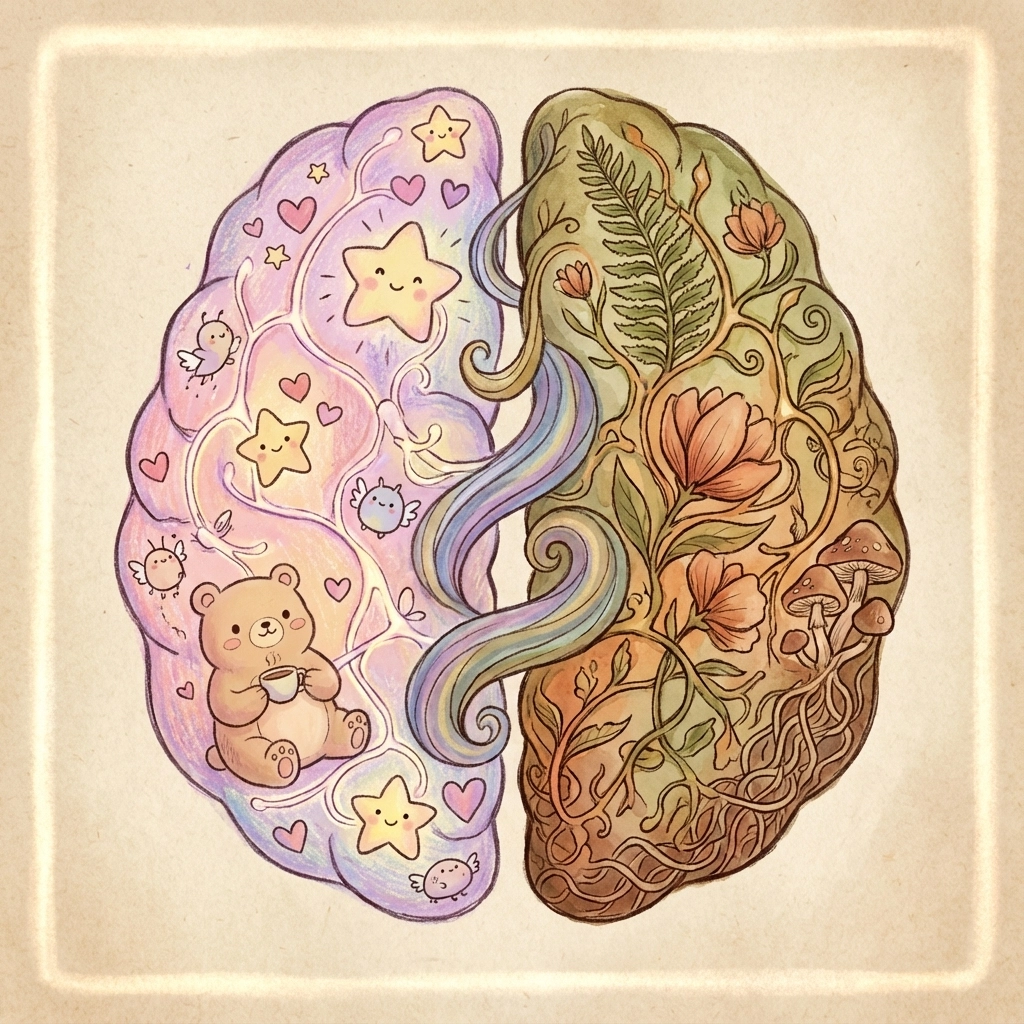
The Kawaii Connection: Why Cuteness Heals
For the overwhelmed mind, kawaii offers immediate psychological refuge. Those pastel colors, simplified forms, and childlike proportions aren't just aesthetically pleasing: they're therapeutic shortcuts to emotional regulation.
Take Sarah, a 28-year-old marketing manager with ADHD. After years of struggling with traditional mindfulness practices, she discovered anime-style affirmation coloring pages. "The cute characters felt safe," she explains. "I could focus on their simple features without getting overwhelmed by too much detail, but still stay engaged."
The kawaii aesthetic celebrates qualities our adult world often dismisses: innocence, vulnerability, gentleness. When we engage with these images, we give ourselves permission to access psychological states associated with lower stress and greater emotional freedom.
Perfect for: Teens and young adults, anyone with ADHD or anxiety, people seeking emotional comfort and stress relief.
The Botanical Brain: Nature's Neurological Reset
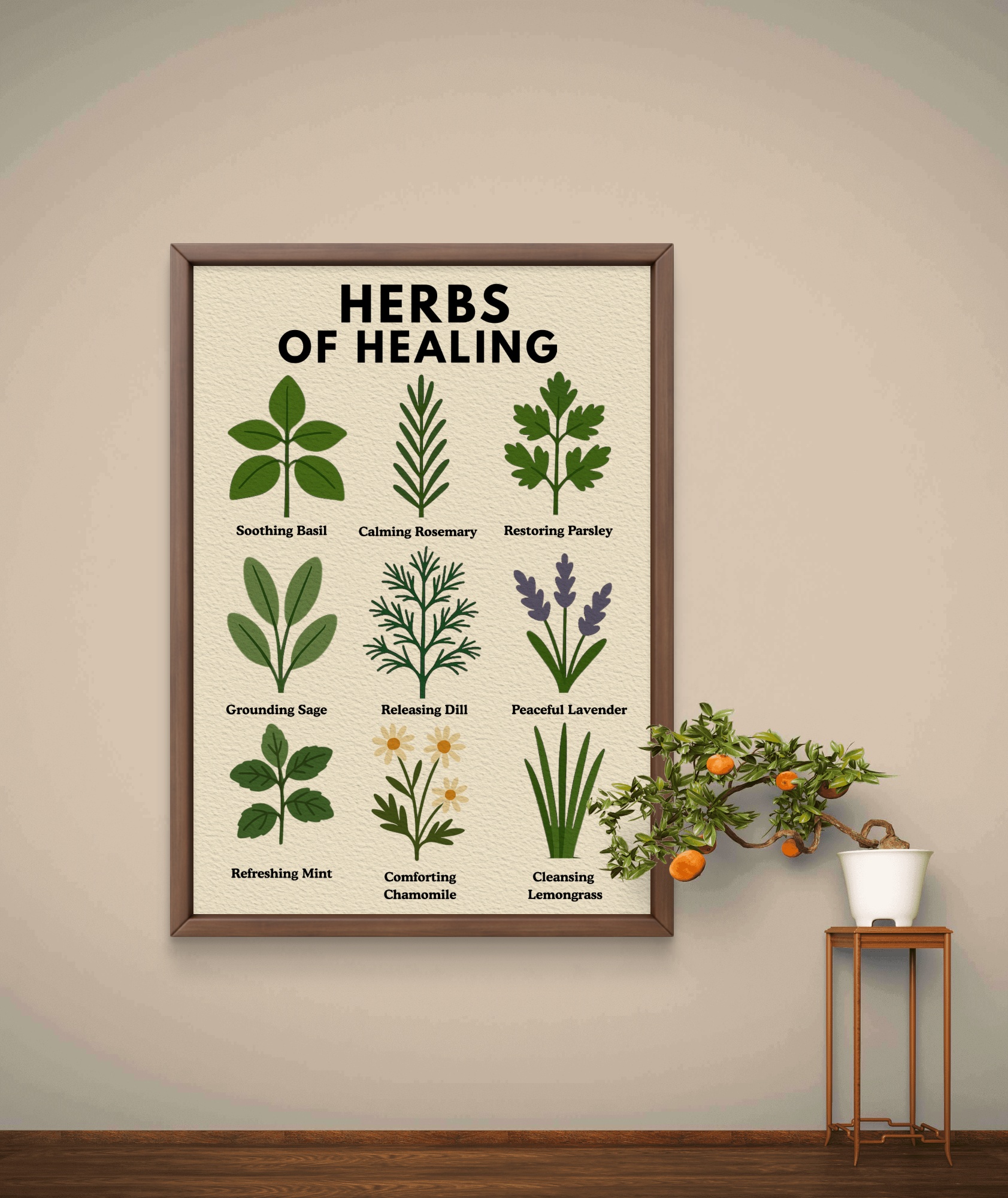
While kawaii soothes through simplicity, botanical art heals through complexity and connection to nature. When we engage with detailed plant illustrations, our brains activate the same pathways triggered by actual nature exposure: even when we're indoors.
Dr. Rachel Carson, a therapist specializing in nature-based interventions, explains: "Botanical art combines the meditative qualities of detailed focus with biophilic responses. Clients often report feeling 'grounded' after working with plant-based designs, even in urban environments."
The intricate patterns of leaves, flowers, and herbs require sustained attention: what psychologists call "soft focus": which naturally calms an overactive mind. Unlike the hard focus required by digital screens or stressful tasks, botanical details invite gentle concentration that feels restorative rather than draining.
Perfect for: Adults seeking grounding, anyone with chronic stress, people who crave nature connection, those who find detailed work meditative.
Age and Aesthetic: How Life Stages Shape Visual Preferences
Teens and Young Adults (13-25): The Anime Advantage
This age group gravitates toward anime and kawaii aesthetics for deeply psychological reasons. During adolescence and early adulthood, identity formation is paramount, and anime characters often embody idealized versions of emotional expression: something many young people struggle with.
"Anime characters show big emotions," explains 17-year-old Alex, who uses affirmation coloring pages for anxiety management. "They're not afraid to cry or be vulnerable. When I color them, it feels like I'm giving myself permission to feel things fully."
The bold colors and expressive features of anime art also provide strong visual anchors for developing brains that may struggle with attention regulation. For neurodivergent teens especially, anime aesthetics offer both stimulation and comfort.
Adults (25-45): The Botanical Bridge
As we enter full adulthood, our aesthetic preferences often shift toward more sophisticated complexity. Botanical designs satisfy our need for mental stimulation while providing the calming benefits of nature imagery. This age group typically juggles multiple responsibilities: career, relationships, possibly children: making the grounding qualities of plant-based art particularly appealing.
"I discovered botanical coloring during my second pregnancy," shares Maria, 34. "The detailed leaf patterns required enough focus to quiet my anxious thoughts, but the nature imagery felt nurturing rather than demanding."
All Ages: The Universal Appeal of Animals and Affirmations
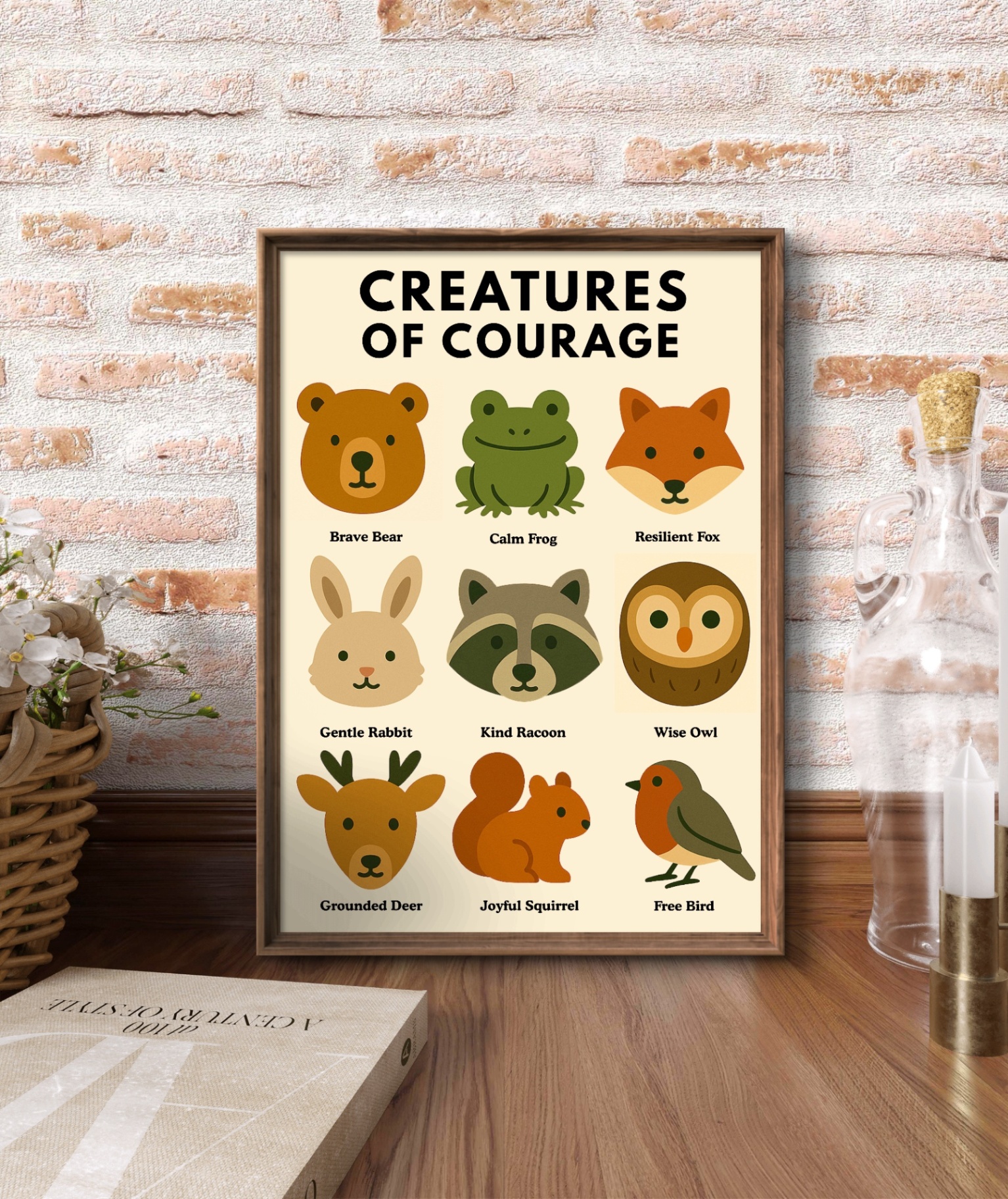
Animal-themed art with positive affirmations transcends age boundaries because it taps into our fundamental need for both emotional safety and empowerment. Whether it's a "Brave Bear" for a 7-year-old or a "Calm Frog" for a 47-year-old, animal archetypes carry universal symbolic meaning.
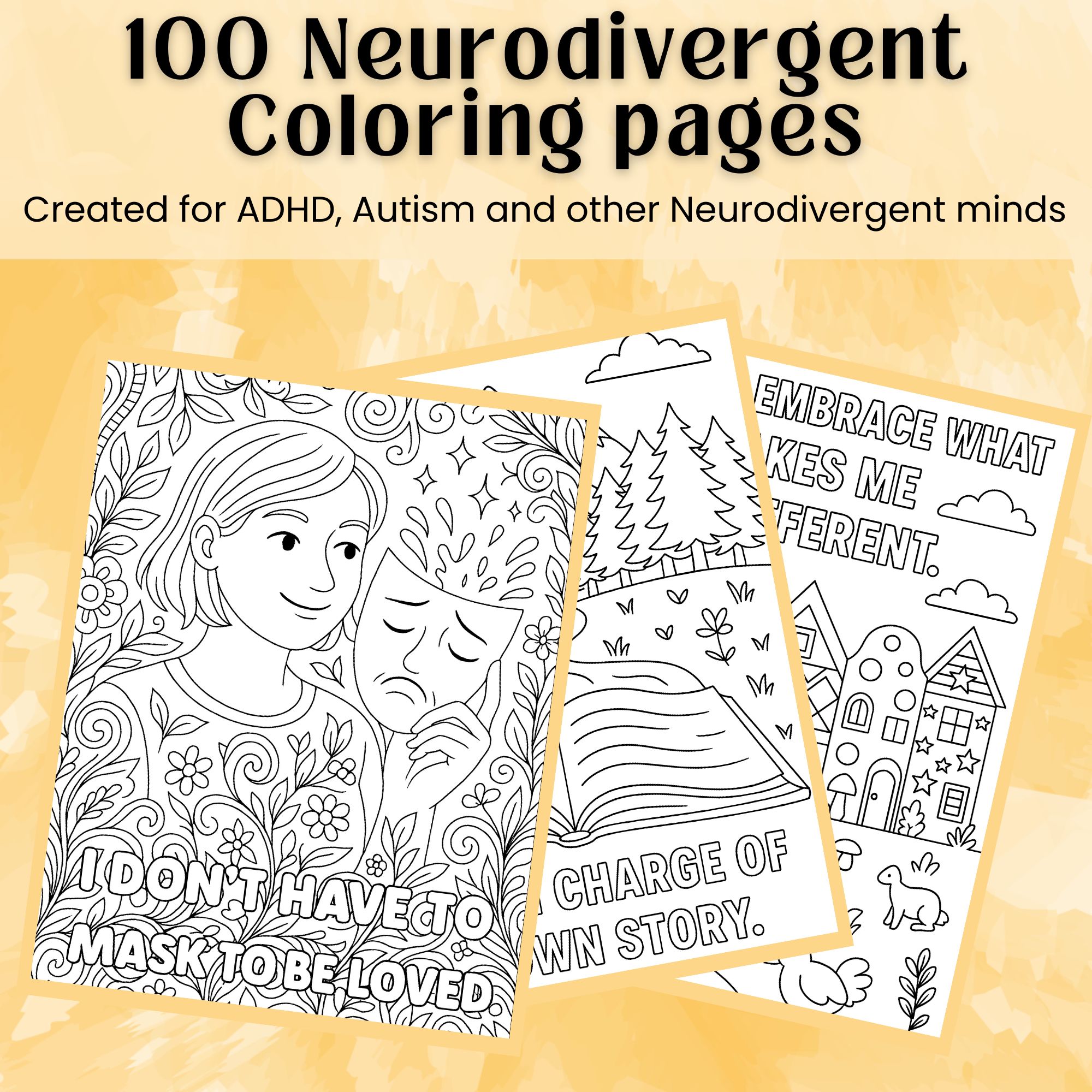
The Neurodivergent Aesthetic: Specialized Visual Needs
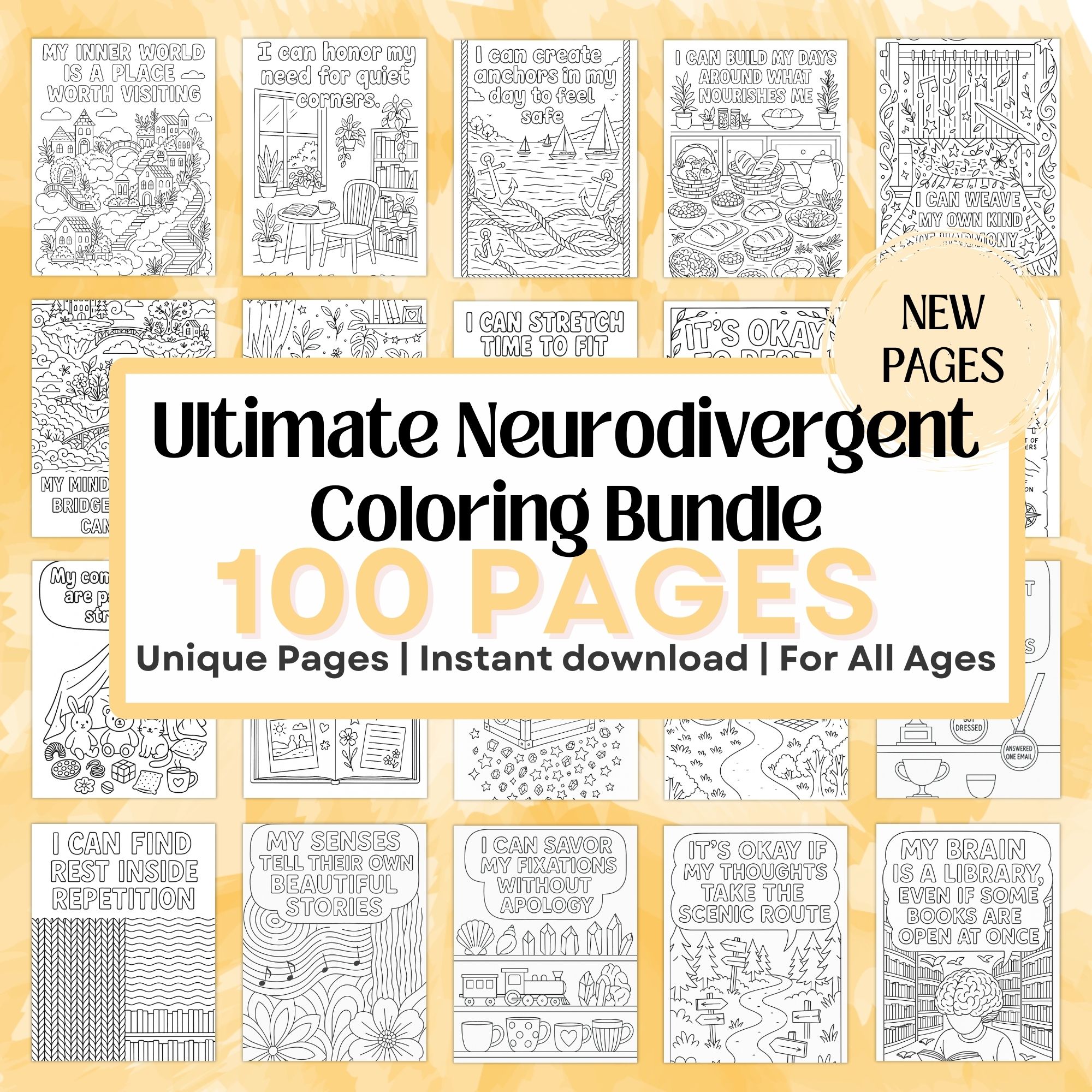
Neurodivergent brains: including those with ADHD, autism, and other processing differences: often have unique aesthetic requirements. High contrast can be overstimulating, while too little visual interest fails to engage attention. The solution? Art styles that balance stimulation with comfort.
Kawaii and anime styles work well because they:
- Provide clear visual boundaries through bold outlines
- Use satisfying color palettes that aren't overwhelming
- Offer familiar, repeatable patterns that feel safe
- Include enough detail to maintain attention without causing overload
Botanical designs excel for neurodivergent minds because they:
- Offer natural, organic patterns that feel inherently calming
- Provide opportunities for hyperfocus on intricate details
- Connect to sensory regulation through nature imagery
- Allow for both broad strokes and fine motor practice
Case Study: The Aesthetic Rotation Method
Consider James, a 35-year-old software developer with autism who discovered that rotating between art styles dramatically improved his emotional regulation. Monday mornings called for botanical herb illustrations to start the week grounded. Wednesday stress peaks required kawaii characters for quick comfort. Weekend creativity flowed through anime-style pages that allowed for bold color experimentation.
"Different parts of my brain needed different visual languages," James reflects. "Once I understood that, I could actually use art strategically for my mental health instead of just randomly coloring whatever."
The Therapeutic Interior: Wall Art Psychology
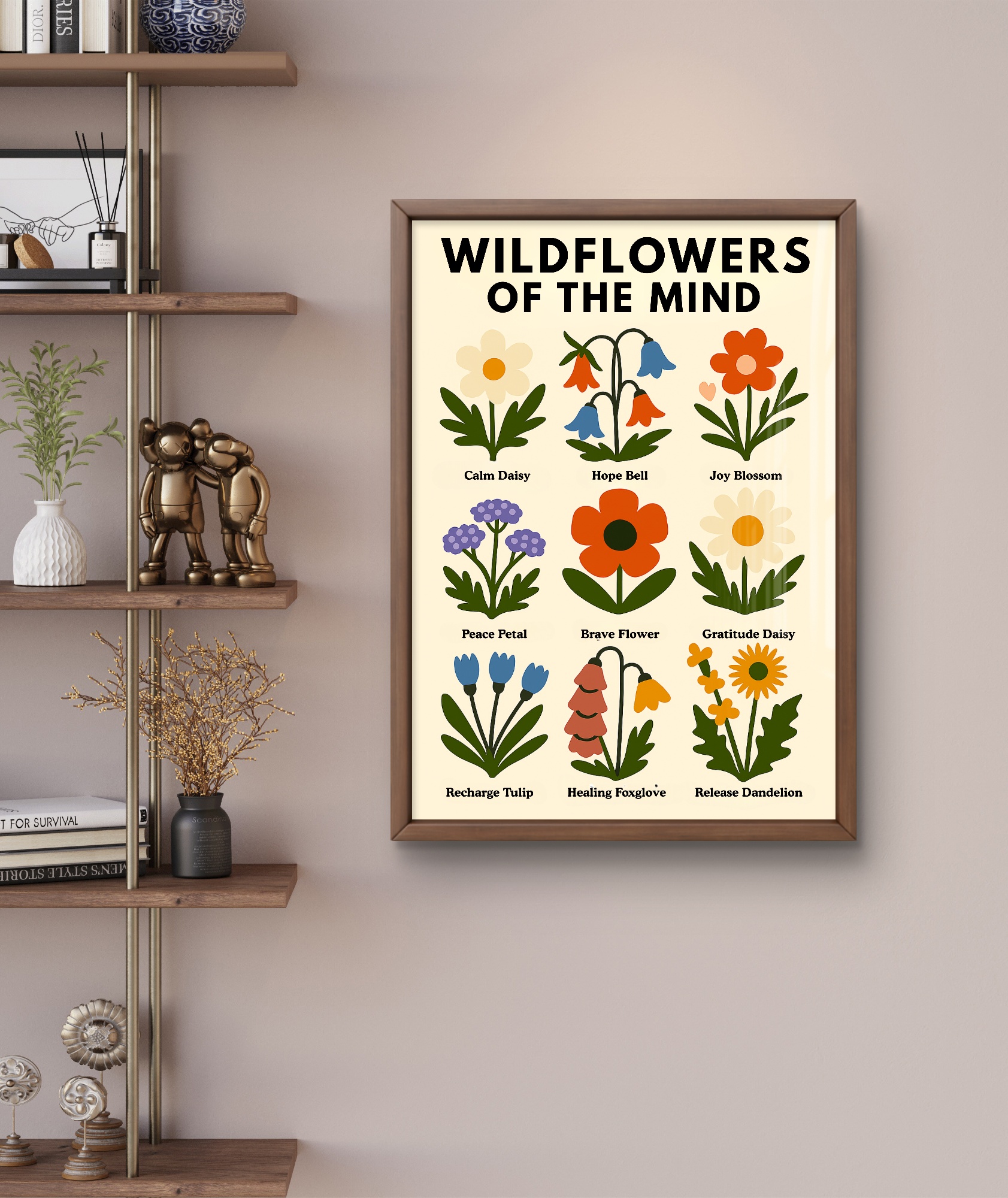
The psychology of art styles extends beyond coloring into our living spaces. The same principles that make certain aesthetics effective for active engagement also influence our passive environment.
Botanical wall art creates what environmental psychologists call "soft fascination": gentle visual interest that restores mental capacity without demanding active attention. Meanwhile, kawaii-inspired motivational prints provide emotional anchoring through their combination of visual comfort and positive messaging.
Creating Your Personal Aesthetic Wellness Toolkit
Understanding the psychology behind art styles empowers you to curate your own visual wellness toolkit. Start by paying attention to your natural aesthetic gravitational pulls:
🖍️ When you're stressed, what visual elements feel most soothing? 🐾 When you're unfocused, what types of images help you concentrate? 🖼️ When you're sad, what art styles lift your mood most effectively?
The key is building a collection that serves different emotional and neurological needs. Maybe it's kawaii affirmation pages for anxiety days, botanical designs for grounding, and animal courage prints for motivation.
The Future of Aesthetic Therapy
As we continue to understand the intricate connections between visual stimuli and mental health, one thing becomes clear: there's no universal "best" art style for wellness. The most therapeutic aesthetic is the one that resonates with your unique brain, life stage, and current needs.
Whether you're drawn to the gentle comfort of kawaii, the grounding complexity of botanicals, or the empowering symbolism of nature-inspired affirmations, trust your visual instincts. They're pointing you toward exactly what your mind needs to heal.
Shop with intention. Create with calm. Heal with color ✨
Ready to explore therapeutic art styles tailored to your needs? Discover our curated collection of affirmation coloring pages and wall art designed with the psychology of wellness in mind.
