


Email us at hello@kindleandcrayon.com
December 14, 2025
Digital vs Traditional Art Therapy: Which Is Better For Your Mental Health?
I'm so glad you're here ✨
A few years ago, I found myself sitting in my therapist's office, staring at a box of colored pencils and feeling completely overwhelmed. My racing ADHD mind was telling me I wasn't "artistic enough" for traditional art therapy, while my perfectionist tendencies made every mark on paper feel permanent and terrifying.
That's when my therapist introduced me to digital art on her tablet. Suddenly, I could experiment freely, knowing I could undo any "mistake" with a simple tap. Layers meant I could build complexity without fear, and the endless color palettes gave my neurodivergent brain exactly the stimulation it craved.
But here's what surprised me most – after months of digital exploration, I found myself gravitating back to physical materials with newfound confidence. The tactile experience of clay between my fingers and the smell of paint became anchors for my anxiety.
This journey taught me that the question isn't really "which is better?" – it's about understanding how each approach serves different aspects of our healing. Let me walk you through what I've learned.
Understanding Art Therapy in All Its Forms
Art therapy harnesses creativity as a pathway to emotional healing and self-discovery. Whether you're working with traditional paintbrushes or digital styluses, the core purpose remains the same: using visual expression to process feelings, reduce stress, and build self-awareness.
The beautiful truth? Both digital and traditional approaches offer unique gifts to our mental health journey. Research shows that art therapists have significantly increased their use of digital media in practice – from 19% to 32% between 2004 and 2011 – indicating growing confidence in blended approaches.
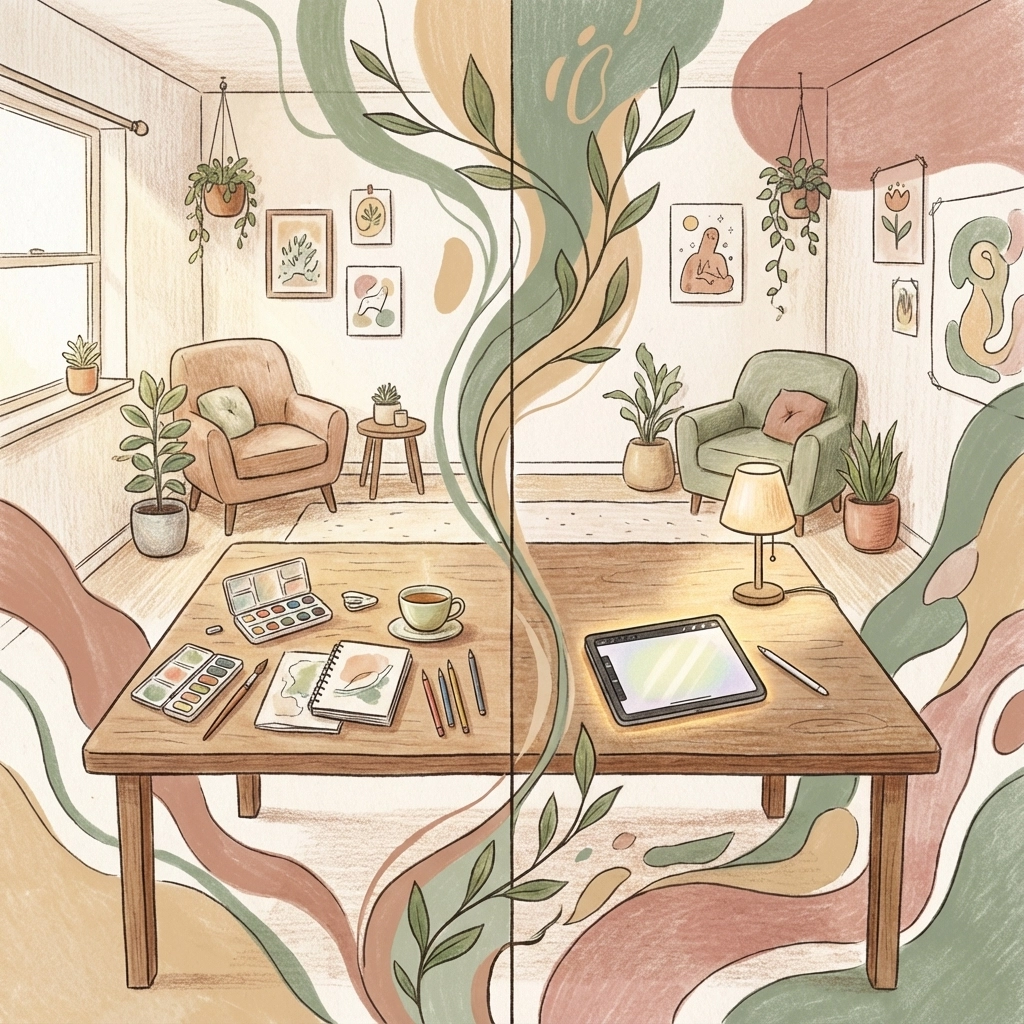
The Digital Art Therapy Experience 🖍️
Digital art therapy uses technology – tablets, apps, computers, even virtual reality – to create therapeutic art experiences. This isn't about replacing human connection; it's about expanding accessibility and creative possibilities.
What makes digital art therapy special:
• Accessibility that opens doors - No physical supplies needed, works anywhere with a device, includes assistive technologies for various disabilities
• Freedom to experiment - Unlimited colors, easy undos, layering capabilities that encourage bold creative risks
• Portable healing - Carry your therapeutic tools anywhere, maintain consistent practice, integrate art-making into daily life
• Cost-effective wellness - Eliminates ongoing material costs after initial device investment
Things to mindfully consider:
The screen can sometimes create distance between you and your emotions. Without tactile feedback, you might miss the grounding sensations that physical art-making provides. Some people find the technical aspects distracting from emotional processing, especially when learning new software.
Digital mediums also reduce non-verbal cues that therapists rely on to understand your emotional state. The glow of a screen doesn't capture the subtle way your shoulders tense when working through difficult feelings.
The Traditional Art Therapy Journey 🎨
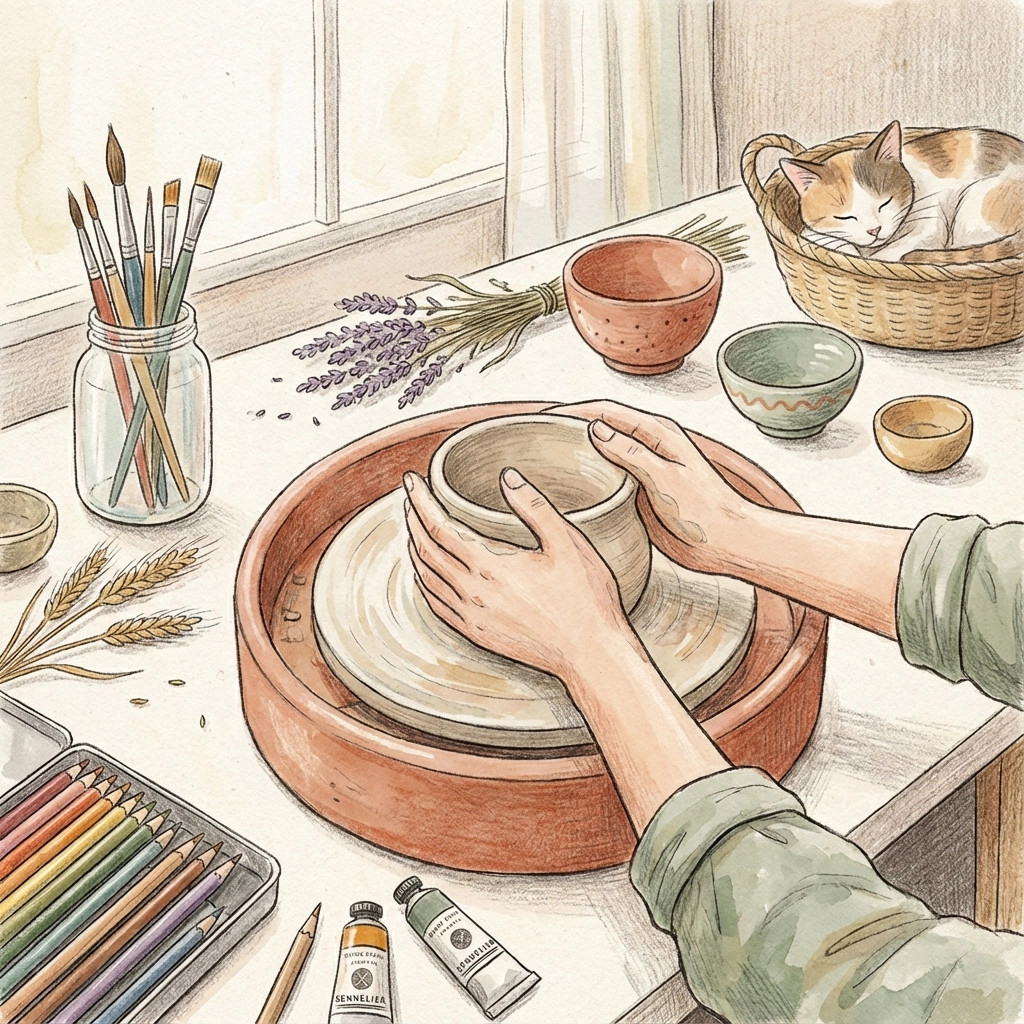
Traditional art therapy embraces physical materials – paint that flows, clay that yields, pencils that leave permanent marks. This approach honors the deep connection between our hands, hearts, and healing.
The magic of traditional materials:
• Sensory richness - Feel the texture, smell the materials, experience resistance and flow that connects body to emotion
• Tangible creations - Hold your finished pieces, create lasting reminders of growth and insight
• Full therapist connection - In-person sessions allow complete observation of body language and emotional responses
• Proven therapeutic foundation - Decades of research supporting established methods and predictable outcomes
Gentle challenges to navigate:
Traditional art therapy requires physical space, materials, and often in-person attendance. This can create barriers for people with mobility challenges, limited transportation, or tight budgets for ongoing supplies.
The permanence of traditional materials sometimes triggers perfectionist anxiety. Once that paint hits the canvas, there's no undo button – which can be both terrifying and liberating.
Finding Your Perfect Creative Healing Path
After working with hundreds of individuals on their mental health journeys, I've learned that the "best" approach depends entirely on your unique needs, preferences, and current life circumstances.
Choose digital art therapy if you:
- Crave flexibility and convenience in your healing practice
- Have mobility challenges or physical limitations
- Respond well to technology and enjoy learning new tools
- Need affordable, accessible options for consistent practice
- Want to experiment with multiple art styles without material constraints
Choose traditional art therapy if you:
- Find grounding in tactile, sensory experiences
- Value in-person therapeutic relationships
- Feel drawn to physical creation and tangible results
- Respond well to established, research-backed methods
- Want to engage your whole body in the healing process
Consider blending both approaches if you:
- Want to maximize benefits from multiple modalities
- Have varied needs that different mediums address
- Enjoy experimenting to discover what resonates
- Desire flexibility based on current emotional needs
Creating Your Therapeutic Art Practice at Home
Whether you choose digital, traditional, or hybrid approaches, you can begin incorporating therapeutic art into your daily wellness routine right now.
For digital exploration, start with simple apps like Procreate, Adobe Fresco, or even free options like Autodesk Sketchbook. Focus less on creating "good" art and more on how the process makes you feel. You can also try our iPad-friendly ADHD and neurodivergent affirmation coloring pages for guided, low-pressure prompts.
Traditional materials can be as simple as colored pencils and paper, or as complex as a full painting setup. The key is choosing supplies that feel inviting rather than intimidating. If you want a calming place to start, explore our botanical mindfulness coloring sheets and therapeutic wall art designed to soothe and uplift.
How KindleandCrayon Supports Your Healing Journey
This personal exploration of art therapy approaches directly inspired the resources we create at KindleandCrayon.
Our printable affirmation coloring pages bridge the gap between digital convenience and tactile engagement. You can download them instantly (digital accessibility) but print and color them with physical materials (sensory experience). Each page combines positive affirmations with calming designs, specifically created for neurodivergent minds and mental health support.
🖼️ Our therapeutic offerings include:
- Affirmation coloring pages designed for ADHD and anxiety relief
- Printable wall art featuring healing herbs and positive messages
- Digital downloads that support consistent self-care practices
- Inclusive designs celebrating neurodiversity and mental wellness
The Science Behind Creative Healing
Research consistently shows that art-making activates multiple brain regions simultaneously, promoting neural integration and emotional regulation. Whether digital or traditional, the act of creating visual art:
- Reduces cortisol (stress hormone) levels
- Increases production of dopamine and endorphins
- Activates the brain's reward center
- Provides a meditative, flow-state experience
- Offers non-verbal processing for difficult emotions
The medium matters less than the consistent practice of creative expression as part of your mental health toolkit.
Your Next Creative Step
The most important thing isn't choosing the "perfect" art therapy approach – it's beginning somewhere, anywhere, with curiosity and self-compassion.
Maybe that's downloading a simple drawing app and doodling during your lunch break. Perhaps it's picking up those dusty colored pencils and giving yourself permission to color outside the lines. Or it could be printing one of our affirmation coloring pages and starting with guided, therapeutic art-making, or exploring our anime-style affirmation cards for teens and custom pet portraits if that feels more inspiring.
Remember: there's no wrong way to heal creatively. Trust your instincts, honor your preferences, and know that both digital and traditional approaches offer valid paths to wellness.
Create with intention. Heal with color. Trust your journey. ✨
Your mental health matters, and you deserve tools that support your unique needs and circumstances. Whether that's the convenience of digital art, the groundedness of traditional materials, or a beautiful blend of both – the choice is yours to make.
I'm here cheering you on, one creative moment at a time.
